How Much Does Tree Removal Cost in Spokane & Coeur d’Alene? (2026 Price Guide)
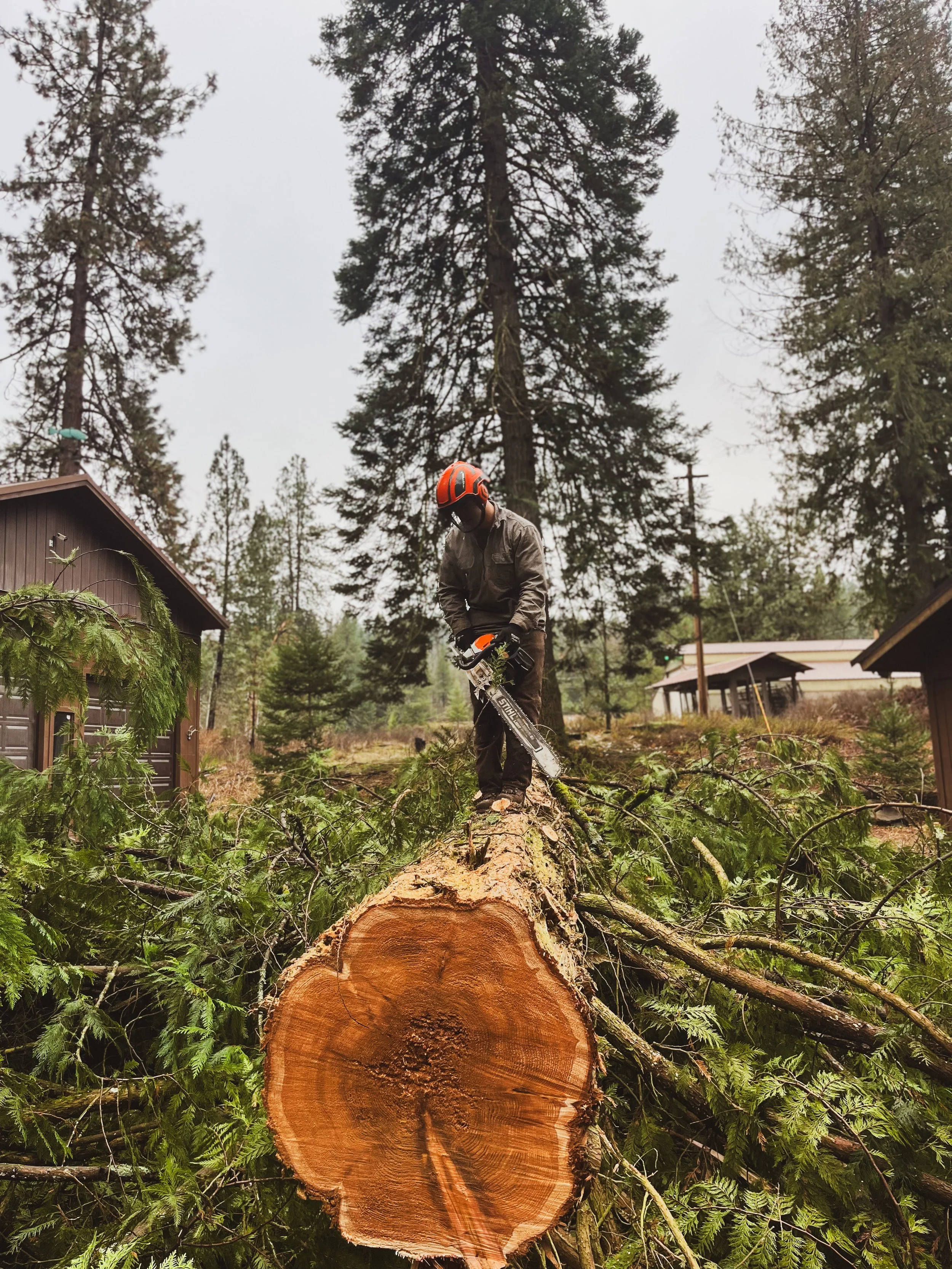
Managing trees across Eastern Washington and North Idaho comes with unique challenges. Between heavy winter snow loads in Kootenai County and summer wildfires sweeping across the Spokane Valley, keeping your property safe requires proactive maintenance. However, when a tree becomes hazardous, diseased, or simply outgrows its footprint, the first question most homeowners ask is: How much is this going to cost?
Understanding tree service pricing helps you budget effectively, avoid unexpected fees, and make informed decisions about your property. This guide breaks down average local costs, key pricing factors, insurance considerations, and actionable steps to reduce your overall expenses.
Average Tree Service Costs in Spokane & Coeur d’Alene
Tree service pricing varies depending on size, location, and complexity. Below are typical cost ranges for residential properties in the Spokane and Coeur d’Alene areas:
Small Tree Removal (Up to 30 feet): $250 – $500
Medium Tree Removal (30 to 60 feet): $500 – $1,100
Large Tree Removal (60 to 100+ feet): $1,100 – $2,500+
Tree Trimming & Pruning: $200 – $900 per tree
Stump Grinding: $150 – $450 per stump
Lot Clearing & Site Prep: $1,500 – $5,000+ per acre
Note: Emergency calls following major weather events may incur higher rates due to immediate mobilization and high-risk conditions.
Key Factors That Determine Your Tree Removal Cost
No two trees are identical. When an arborist evaluates your property for a quote, they base their estimate on several core variables:
1. Tree Height and Diameter
Taller trees with thick trunks require more labor, heavier rigging equipment, and more time to dismantle safely. A tall Ponderosa pine or Douglas fir requires significantly more work than a small ornamental fruit tree.
2. Location and Accessibility
Can the crew park a bucket truck or crane directly next to the tree, or must climbing arborists dismantle it piece-by-piece using ropes? Trees located near power lines, tight fence lines, glass greenhouses, or overhanging roof structures require technical rigging, which increases labor time.
3. Tree Condition and Safety Hazards
Dead, decaying, or structurally compromised trees are often more dangerous to remove than healthy ones. If a tree is too unstable for an arborist to climb safely, specialized equipment like heavy cranes or aerial lifts must be brought in.
4. Debris Management and Haul-Away
Full-service quotes typically cover felling, branch chipping, and log removal. If you choose to keep the wood for firewood or request on-site chipping for mulch, you can often lower your final invoice.
Frequently Asked Questions
How is the price of tree removal calculated?
Tree removal pricing is calculated based on total labor hours, crew size, required heavy equipment (such as bucket trucks, cranes, or heavy-duty chippers), risk factor, and debris disposal fees. Arborists conduct an on-site evaluation to assess these variables before providing a written estimate.
Is tree removal covered by homeowners insurance?
Homeowners insurance generally covers tree removal only if the tree falls on a covered structure (such as your house, garage, or fence) due to a sudden, unexpected event like a storm. Insurance typically does not cover preventative removal of dead or standing hazardous trees, nor does it cover trees that fall in an open yard without causing structural damage.
How can I save money on tree maintenance?
You can reduce tree care costs by scheduling non-urgent maintenance during the late fall or winter, grouping multiple trees into a single service visit, keeping the firewood on-site, and handling light ground cleanup yourself.
Actionable Steps for Homeowners: How to Save on Tree Care
If you want to keep your property safe while managing costs, use these practical strategies:
1. Schedule Work During the Off-Season
Emergency response during peak storm season carries premium rates. Scheduling non-emergency pruning or removals during late fall or winter—when crews are less slammed—often yields better scheduling flexibility and competitive pricing.
2. Combine Services in One Visit
Mobilizing a crew and heavy equipment represents a significant portion of a tree company’s overhead. If you need one tree removed, inspect your entire yard. Adding minor pruning or a second removal to the same service call is much cheaper than hiring a team twice.
3. Keep the Firewood or Wood Chips
Hauling heavy logs and organic waste to disposal sites incurs fuel and tipping fees. If you burn wood or use mulch for landscaping, ask your contractor to leave the wood stacked or chip the branches directly onto your garden beds.
4. Don't Skip Stump Grinding
Leaving a stump behind might save a few dollars upfront, but rotting wood attracts carpenter ants, termites, and fungal growth that can spread to nearby healthy trees or your home’s foundation. Combining removal with stump grinding upfront is far cheaper than dealing with pest infestations later.
5. Invest in Regular Pruning
Preventative maintenance is always cheaper than emergency cleanup. Trimming deadwood and thinning dense canopies reduces wind resistance and heavy snow accumulation, drastically lowering the chance of structural failure during severe weather.
What to Look for in a Local Tree Service
When requesting quotes, ensure you are comparing apples to apples. A low bid from an uninsured contractor can cost you thousands if an accident occurs on your property.
Licensing, Bonding, and Insurance: Always request a Certificate of Insurance (COI) listing general liability and workers' compensation coverage before work begins.
Detailed Written Estimates: Ensure the quote explicitly details what is included: drop-zone setup, branch chipping, log hauling, and site cleanup.
Safety Standards: Professional crews utilize full personal protective equipment (PPE), proper rigging techniques, and traffic control when working near roadways.
